
We do things differently
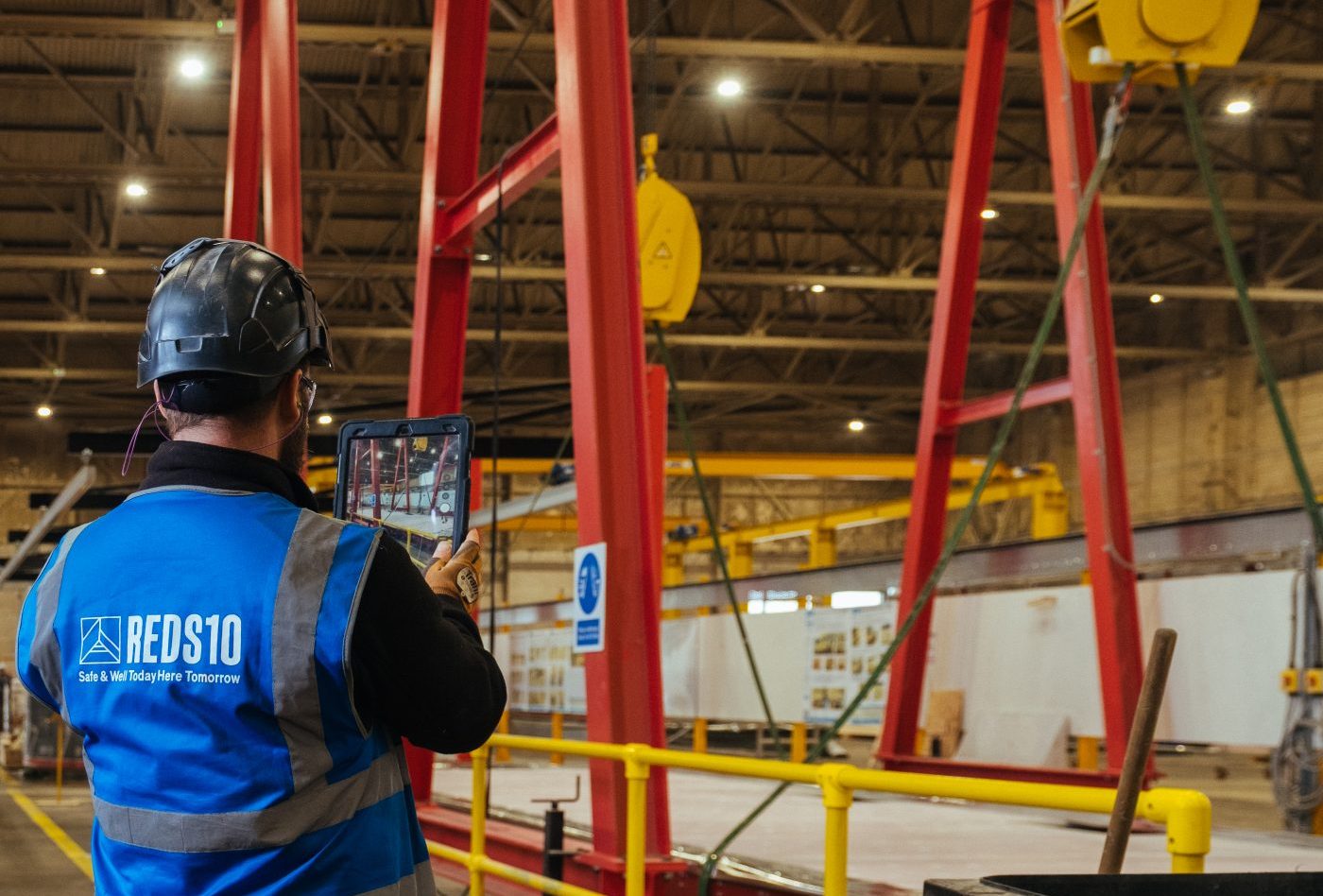
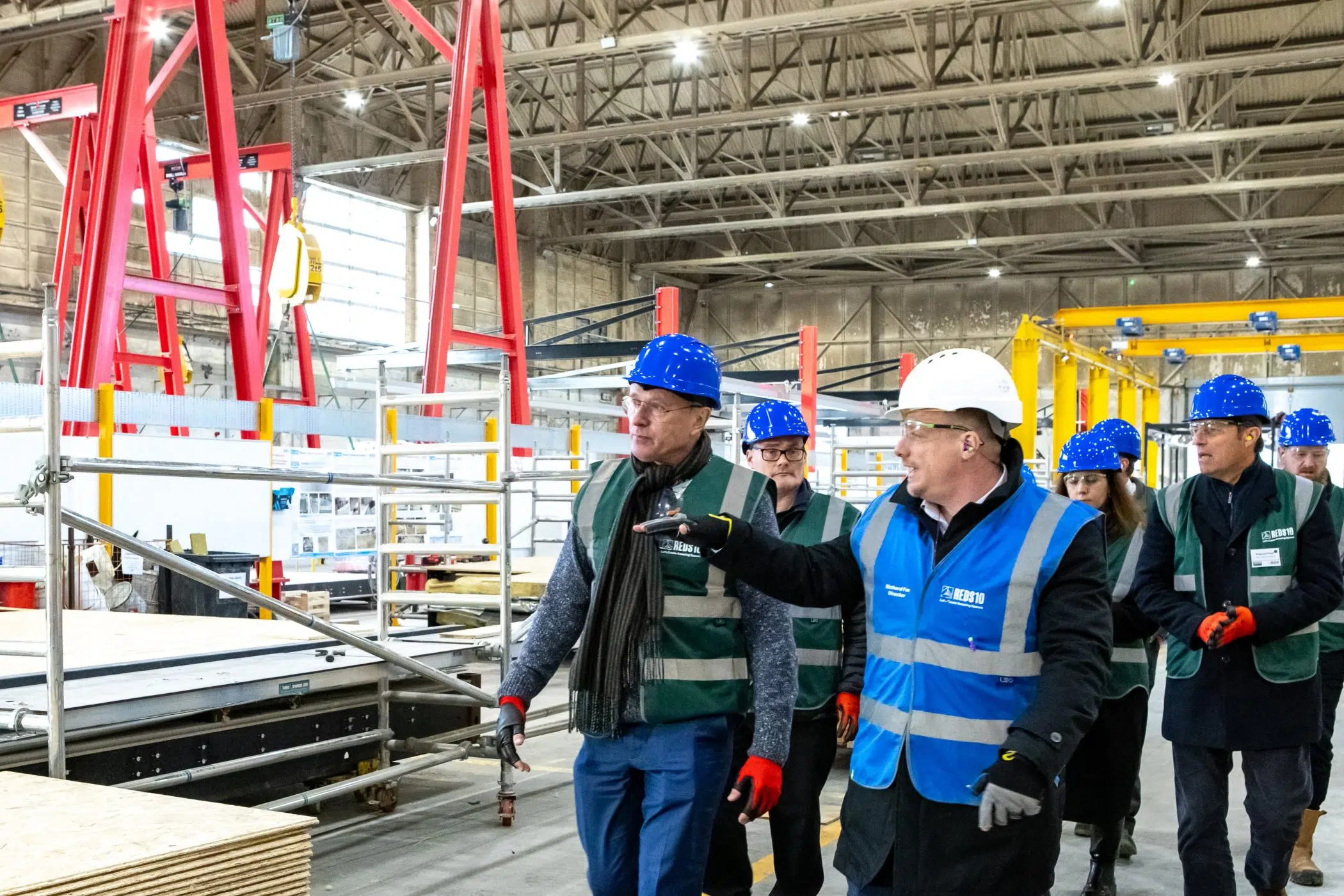
Unlike the traditional method, we vertically integrate everything under one roof in our unique 50-acre site in Driffield, Yorkshire – the UK’s largest off-site manufacturing facility.
With five factories and 300,000 square feet of production capacity capable of delivering up to 15,000 units annually, it is where our specialist in-house teams handle design, manufacturing, assembly and delivery.
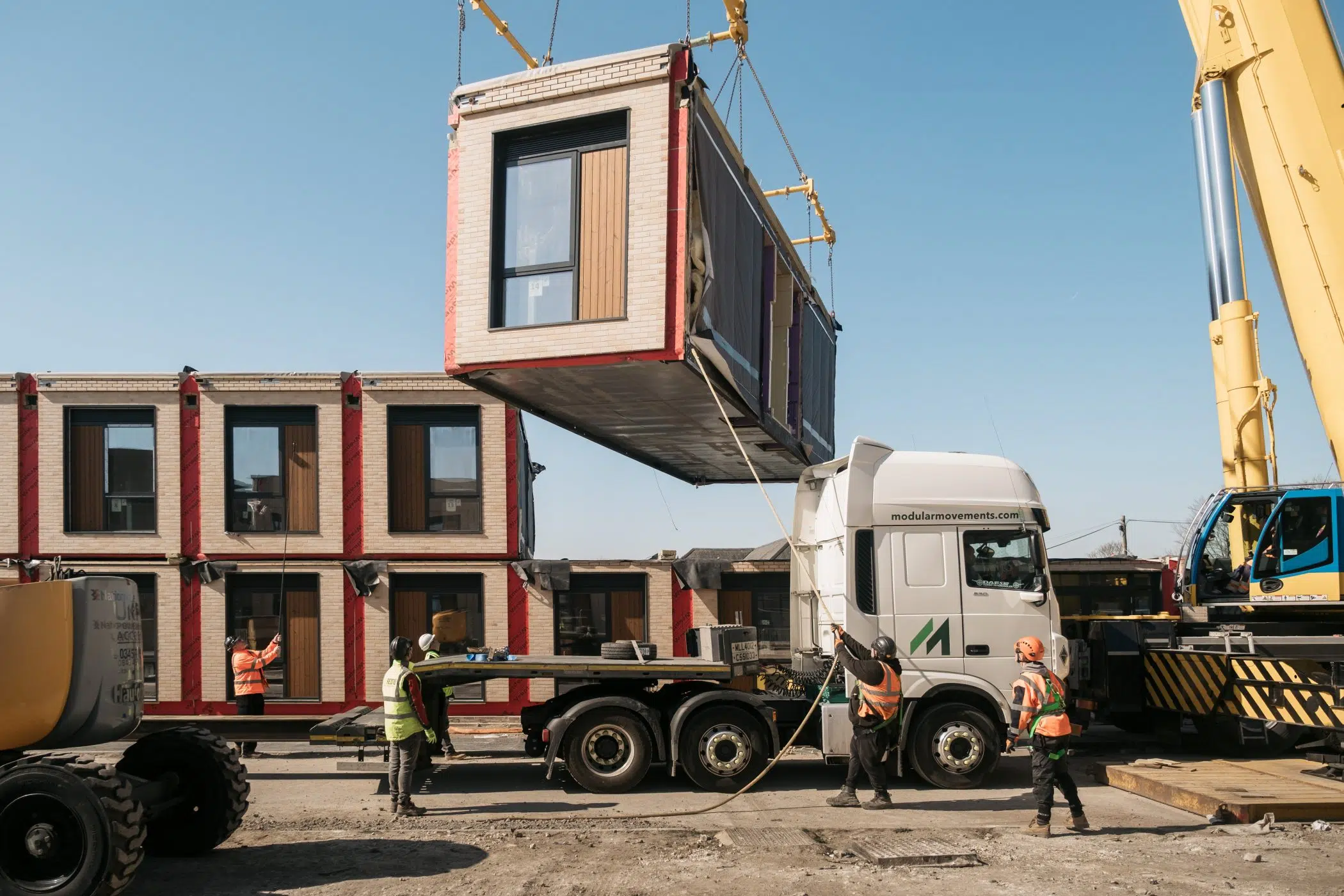
87% of our work gets done before we ever set foot on site, optimising quality, speed and sustainability. By moving construction into factory settings, we achieve safer working conditions and more consistent outcomes than traditional on-site construction.
With our approach, you don’t get any of the disputes and delays that arise between different contractors – just certainty, quality and better outcomes.
- Controlled factory environment
- Streamlined construction timelines
- Optimised project scheduling
- Minimal onsite safety risks
- Reduced waste
- Specialist in-house assembly teams
- Components built to rigorous standards
- Consistent outcomes
Industrialised Production
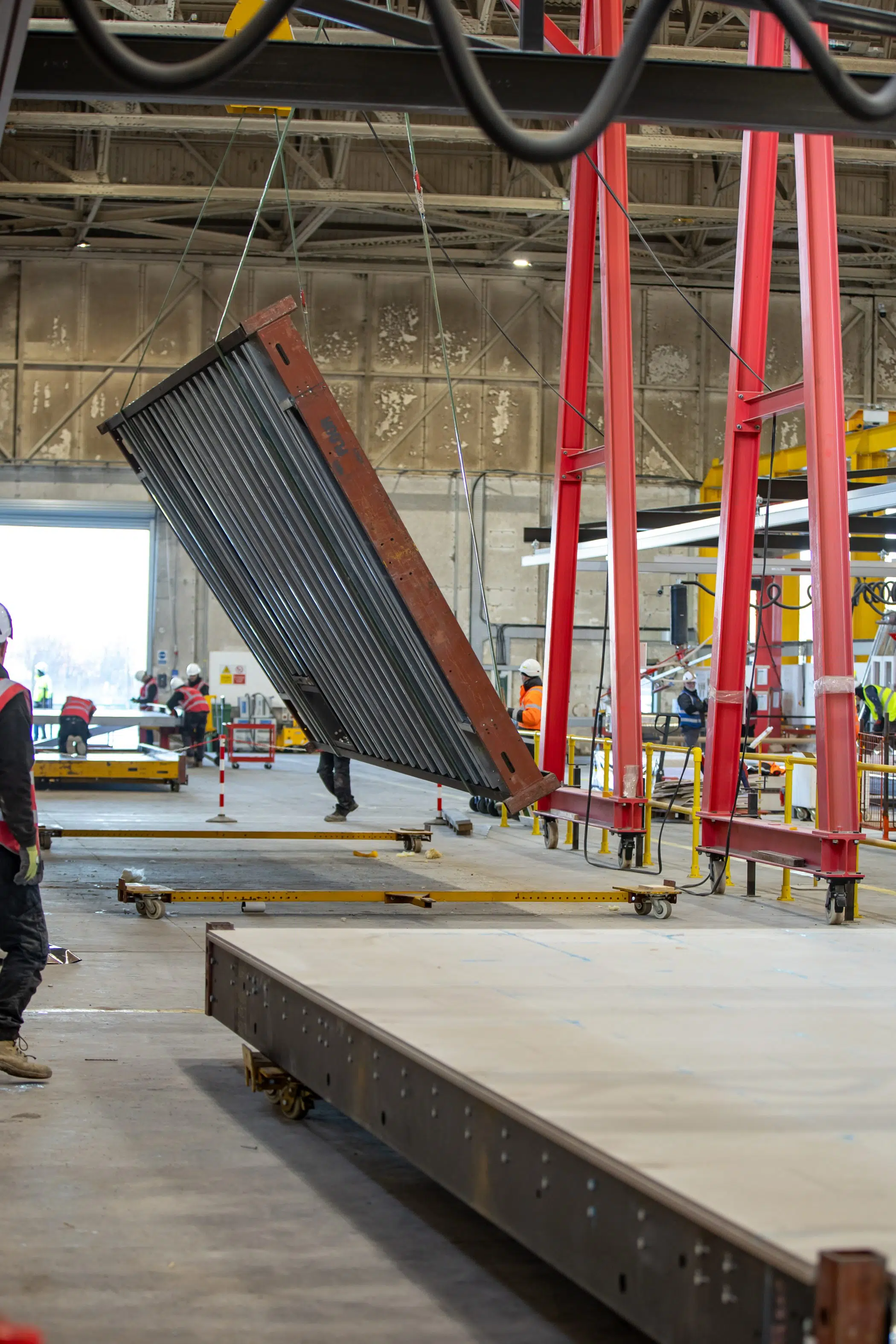
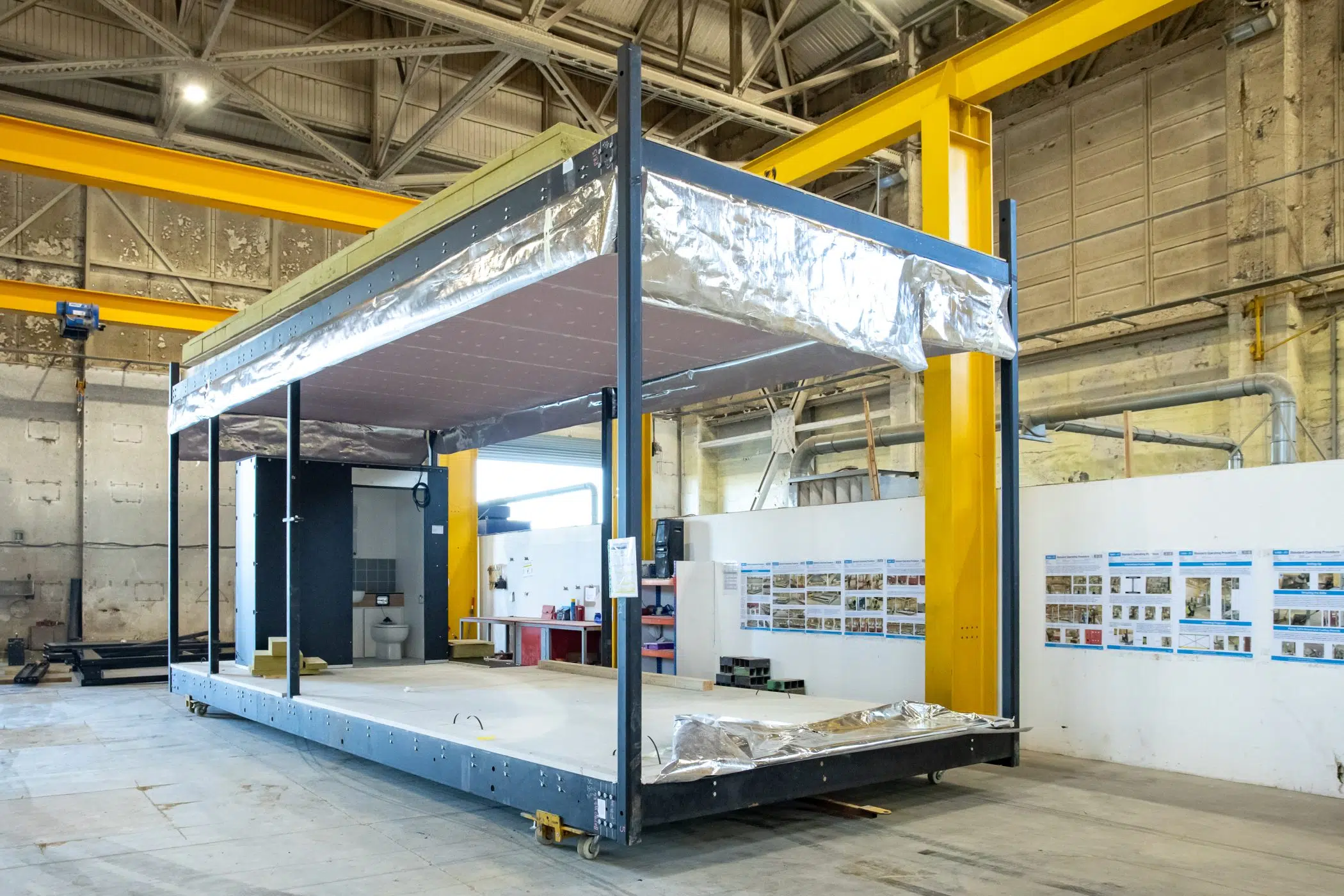
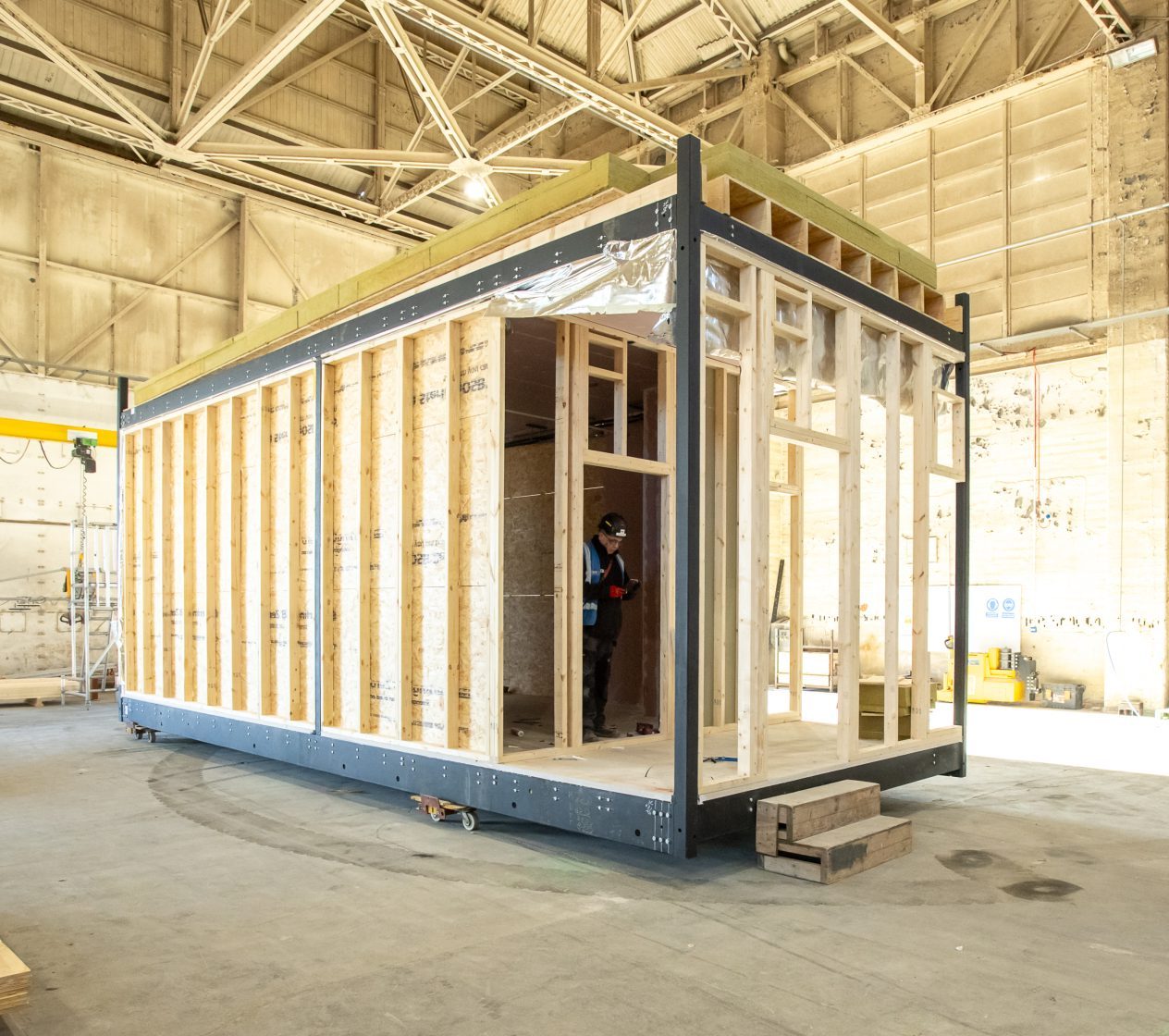
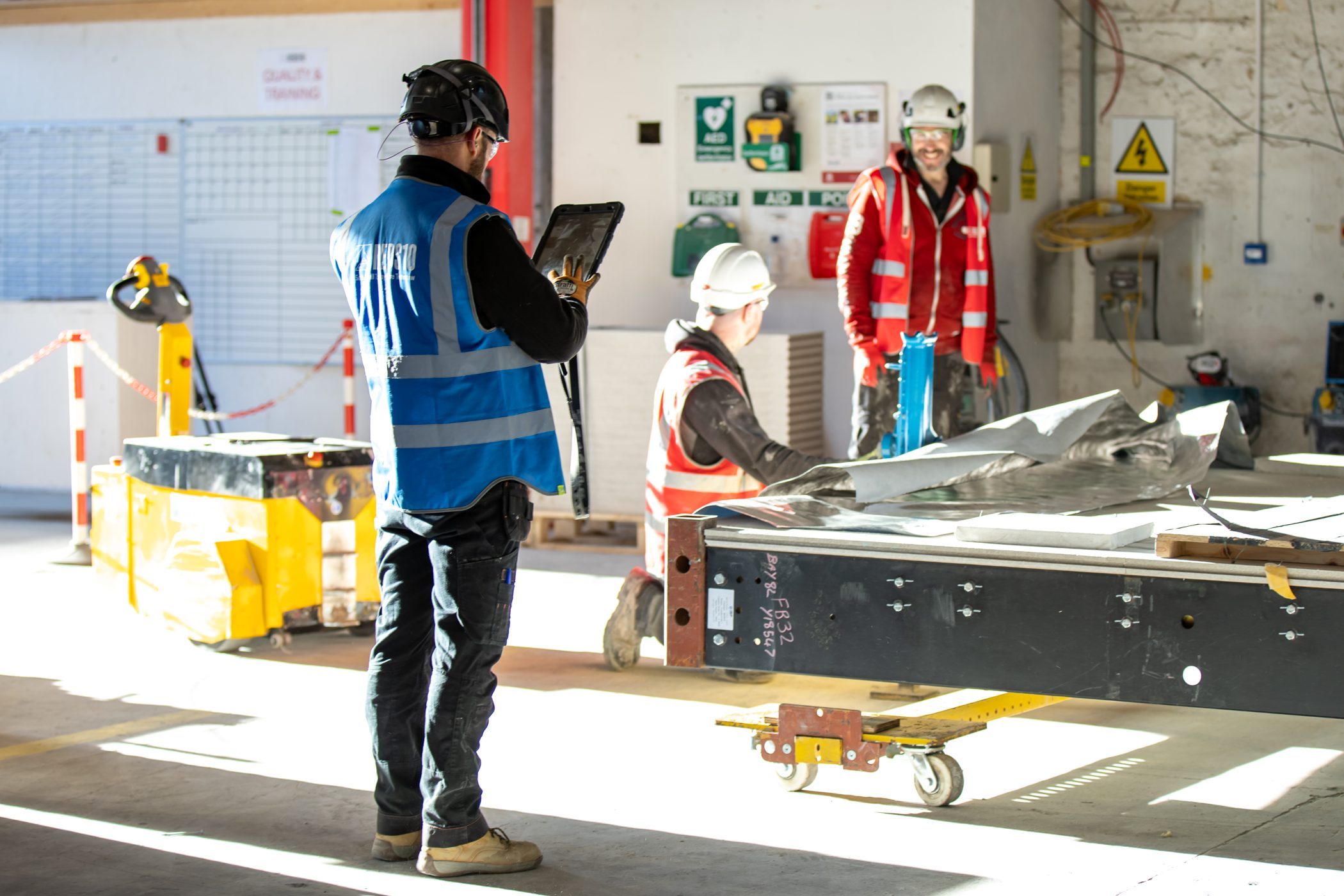
At Reds10, we operate an industrialised manufacturing process that delivers consistency of quality and precision at scale and pace. This approach leads to a more cost-efficient process that allows us to pass cost savings onto our client base.




Find out more




FAQs
Industrialised construction is a modern approach to building that combines digital design, manufacturing and onsite assembly to deliver buildings more efficiently. Rather than carrying out most construction activities onsite, significant elements are designed, manufactured and quality-checked in a controlled factory environment before being transported and installed onsite. At Reds10, this approach improves productivity, increases delivery capacity and enables faster, more predictable project outcomes.
Traditional construction relies on multiple trades carrying out the majority of work onsite, often leaving projects vulnerable to weather delays, labour shortages and programme disruption. Industrialised construction shifts much of this activity into a controlled manufacturing environment, where building components can be produced simultaneously with site preparation. This results in greater quality control, improved programme certainty, reduced risk and faster project delivery.
Design for Manufacture and Assembly (DfMA) is a design approach that optimises buildings for efficient manufacturing and installation. It considers how building elements will be produced, transported and assembled from the earliest stages of design. By designing with manufacturing and assembly in mind, DfMA helps improve quality, reduce waste, shorten construction programmes and create more predictable delivery outcomes. It is a fundamental principle of industrialised construction.
The current baseline output of Reds10’s 50-acre manufacturing campus in Driffield, East Yorkshire, is 4,000 volumetric units per year, spread across five factories.
Through ongoing factory automation, line upgrades, and new equipment, capacity is scaling towards 12,000 to 15,000 units annually.
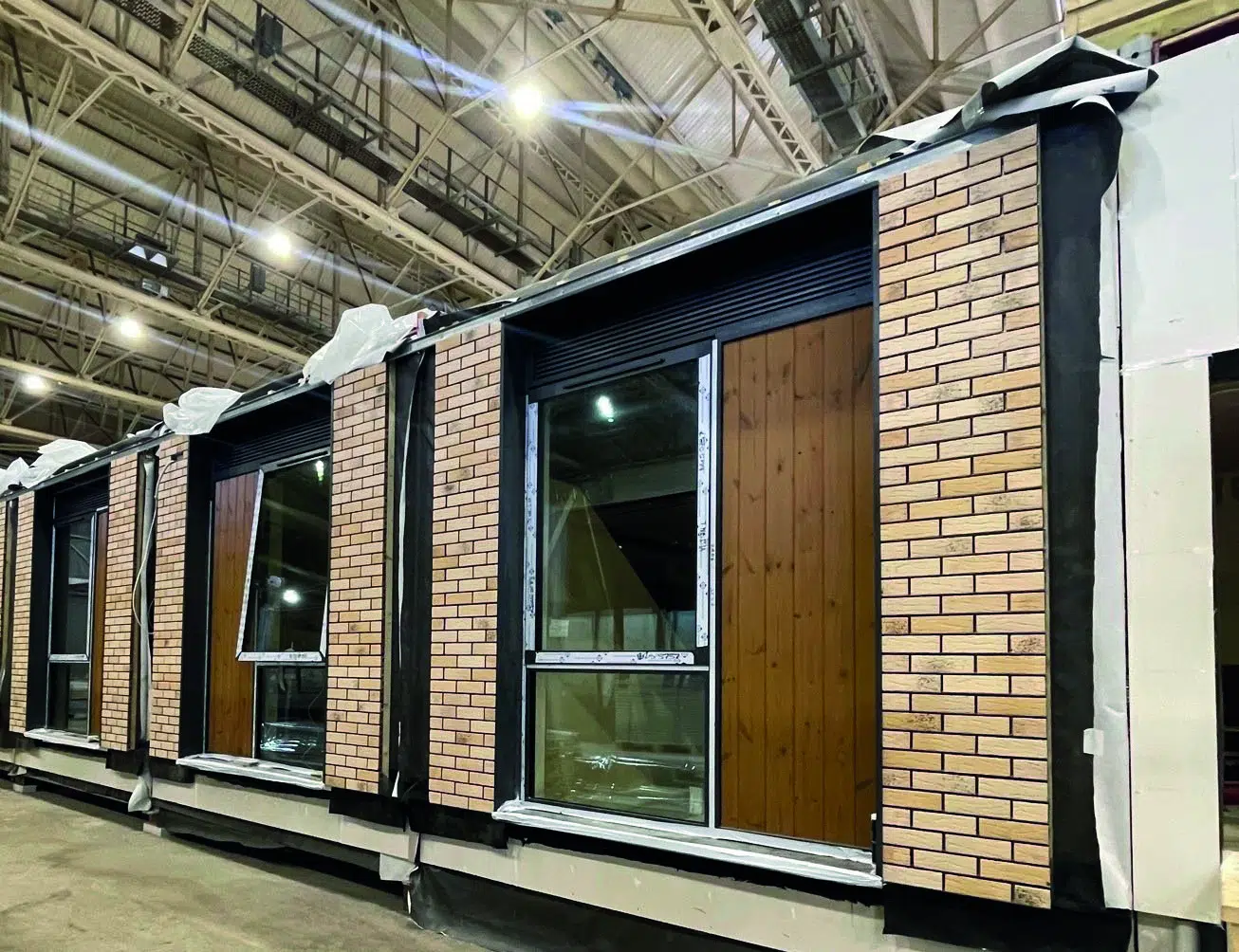
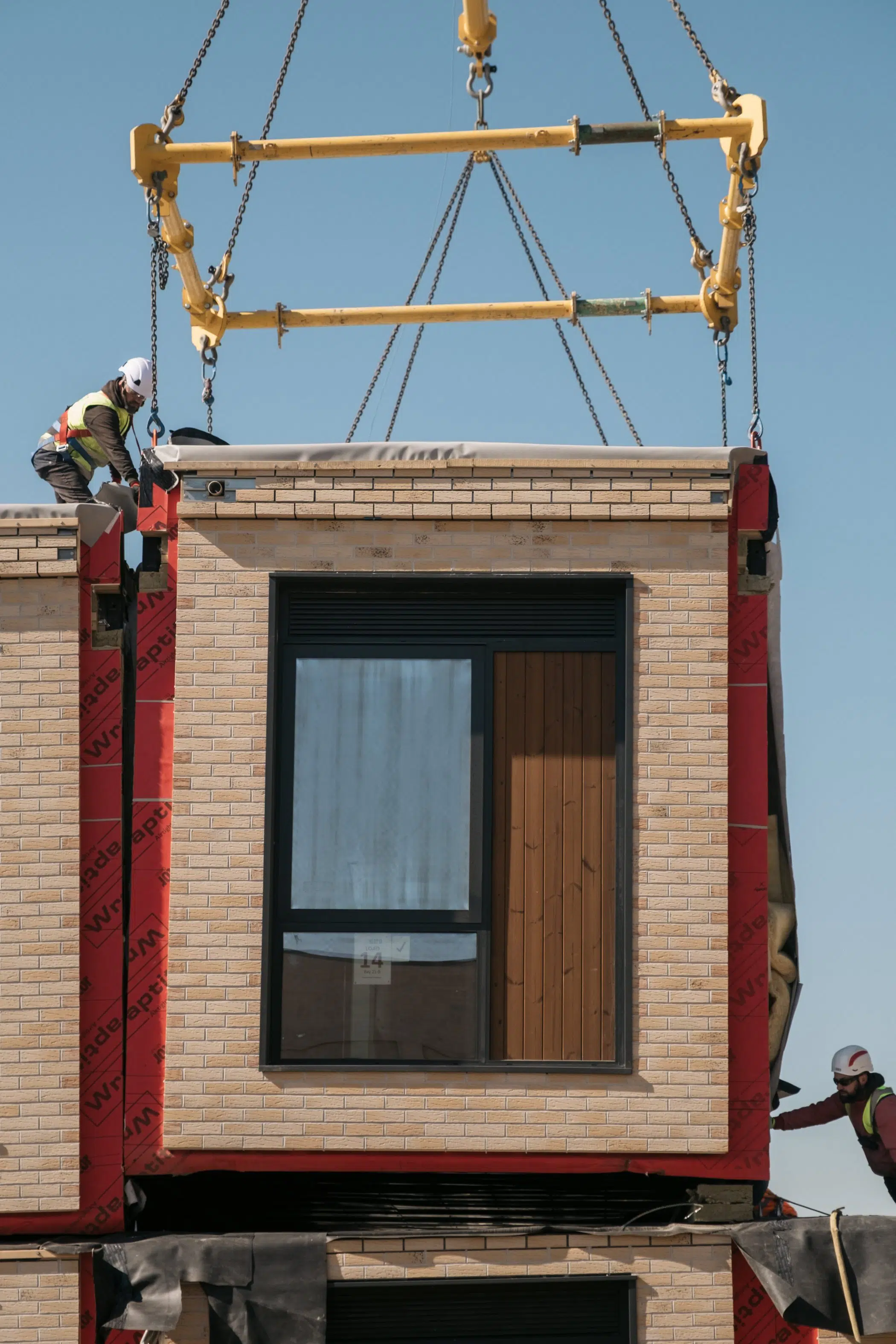
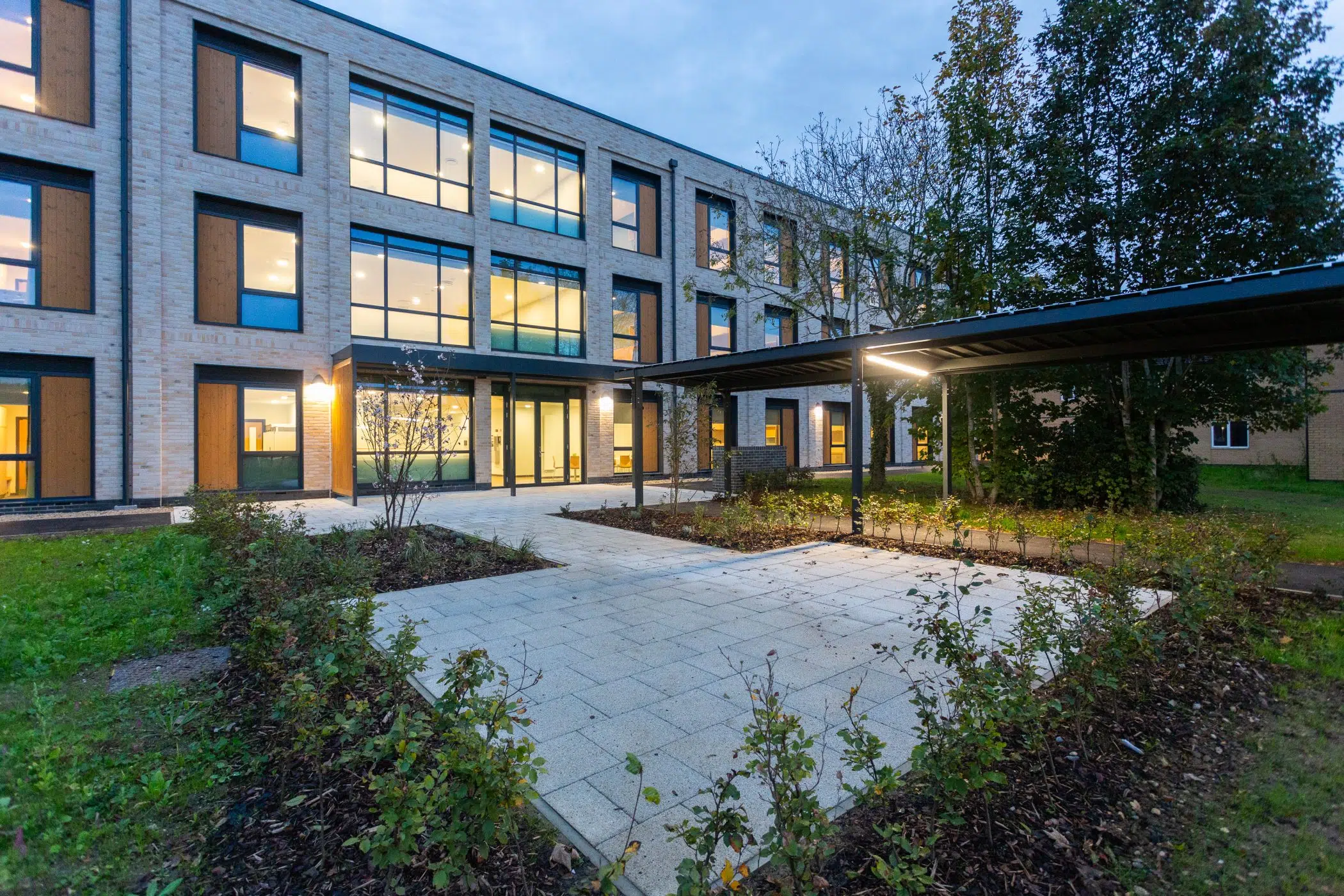
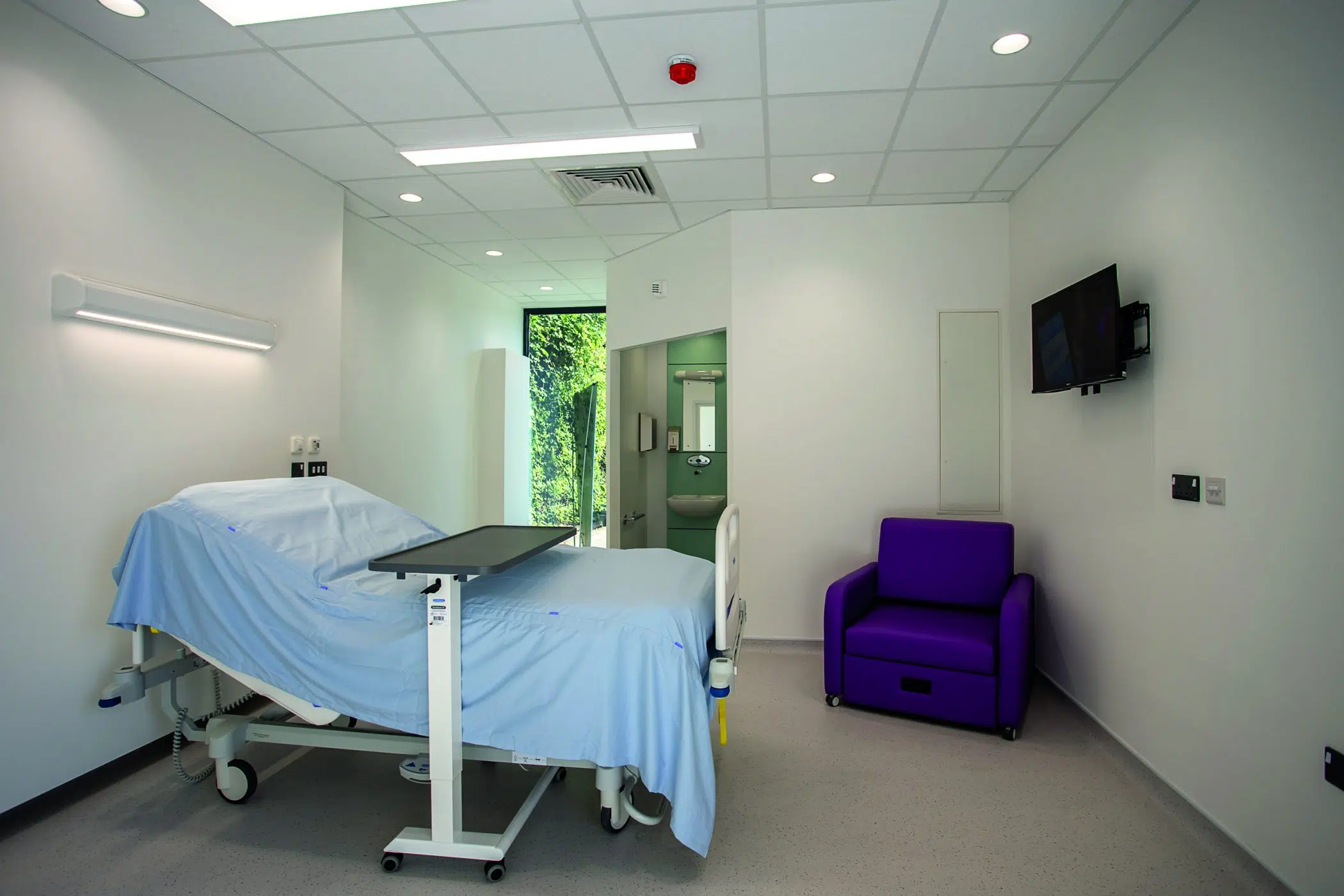
A volumetric unit is a steel-framed 3D structural section engineered and fitted indoors before transport to site, where multiple units are assembled into complete buildings such as schools, healthcare facilities, and accommodation blocks.
Offsite manufacturing enables construction to take place in a controlled factory environment, protecting materials and components from weather-related damage and reducing the variability associated with traditional site-based construction. At Reds10, the majority of work is completed before installation onsite, allowing rigorous quality assurance processes to be applied throughout production. Combined with in-house control of key disciplines such as steel fabrication, cladding and MEP services, this creates greater consistency, fewer defects and improved building performance.
Industrialised construction can support more sustainable project delivery by reducing waste, improving material efficiency and creating buildings that perform better in operation. Manufacturing components in a controlled environment enables more accurate use of materials and reduces the need for rework. At Reds10, sustainability is further enhanced through intelligent design, high-performance building systems, renewable energy technologies and smart building monitoring that helps optimise operational energy use throughout the building lifecycle.
Yes. Industrialised construction helps reduce many of the risks commonly associated with traditional construction projects. Factory production minimises the impact of adverse weather, improves programme certainty and enables more consistent quality control. By integrating design, manufacturing and delivery, Reds10 also reduces the coordination risks often created by multiple suppliers and subcontractors. This provides clients with greater certainty around programme, cost, compliance and quality.
Reds10 uses artificial intelligence to support smarter, more efficient delivery across design, manufacturing and construction. AI helps automate complex design processes, improve the speed and accuracy of decision-making and create more efficient workflows between digital design and factory production. Combined with data-driven manufacturing and smart building technology, AI enables Reds10 to increase productivity, improve quality and accelerate project delivery.
Vertical integration means Reds10 manages multiple stages of the construction process within a single organisation. Rather than relying on a fragmented supply chain, our teams oversee design, engineering, manufacturing and delivery. This integrated approach improves collaboration, strengthens quality control, increases accountability and helps eliminate many of the delays and inefficiencies that can arise when projects are managed by numerous separate contractors.
Reds10’s vision is to industrialise construction and help transform the industry for the modern world. We believe construction must evolve to meet growing demands for housing, public infrastructure and sustainable development while addressing challenges around productivity, labour shortages and project certainty.
By combining design, manufacturing and delivery into a single industrialised process, we aim to create a more productive, efficient and resilient construction sector. Through innovation, technology and advanced manufacturing, our goal is to redefine how buildings are delivered, raising standards for quality, sustainability and performance while helping shape the future of the built environment.


