Breaking Ground at Firside Junior School
Reds10, a pioneer in industrialised construction, has officially begun work on Firside Junior School, following its appointment by the Department for Education (DfE) under the Modern Methods of Construction (MMC1) framework.
The project will deliver a new, high-quality learning environment designed to support the needs of pupils now and in the future, as part of the DfE’s wider drive to modernise the UK’s school estate through faster, more sustainable delivery.
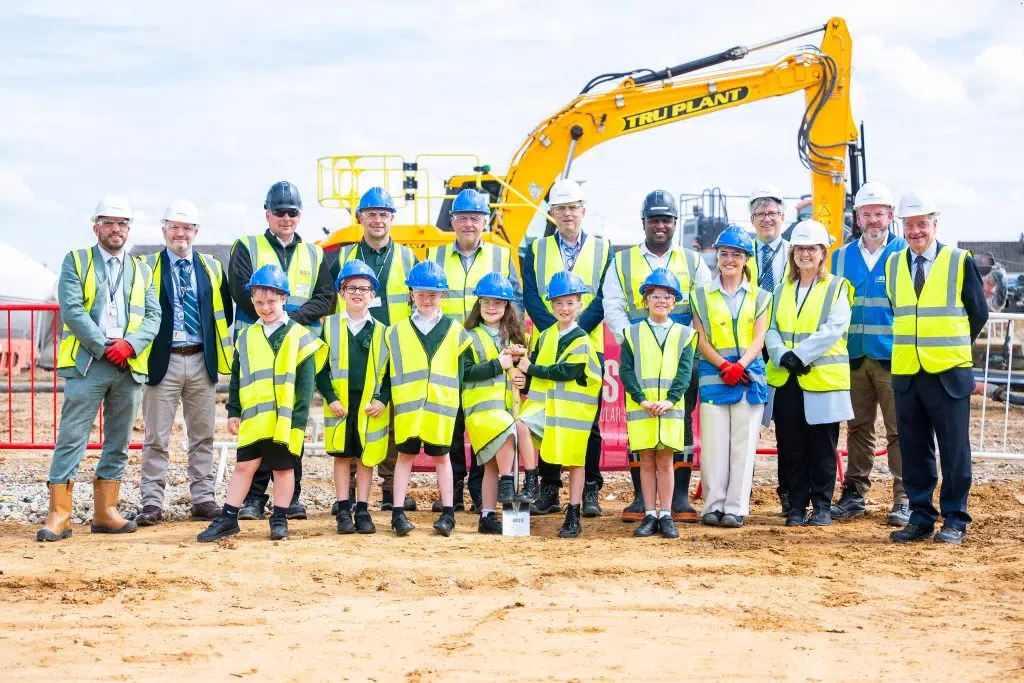
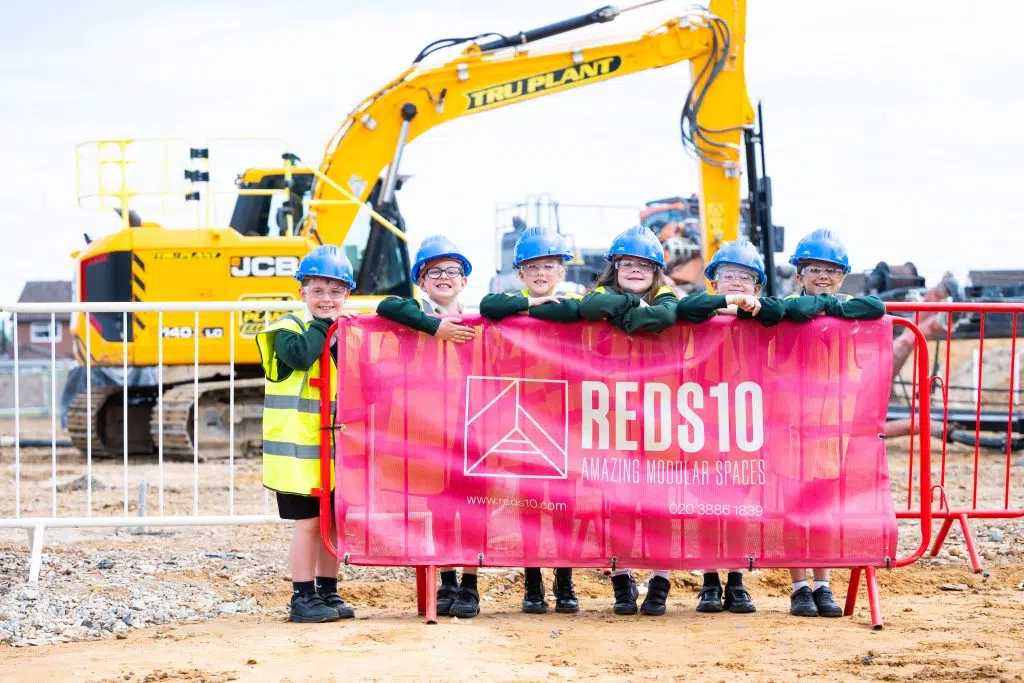
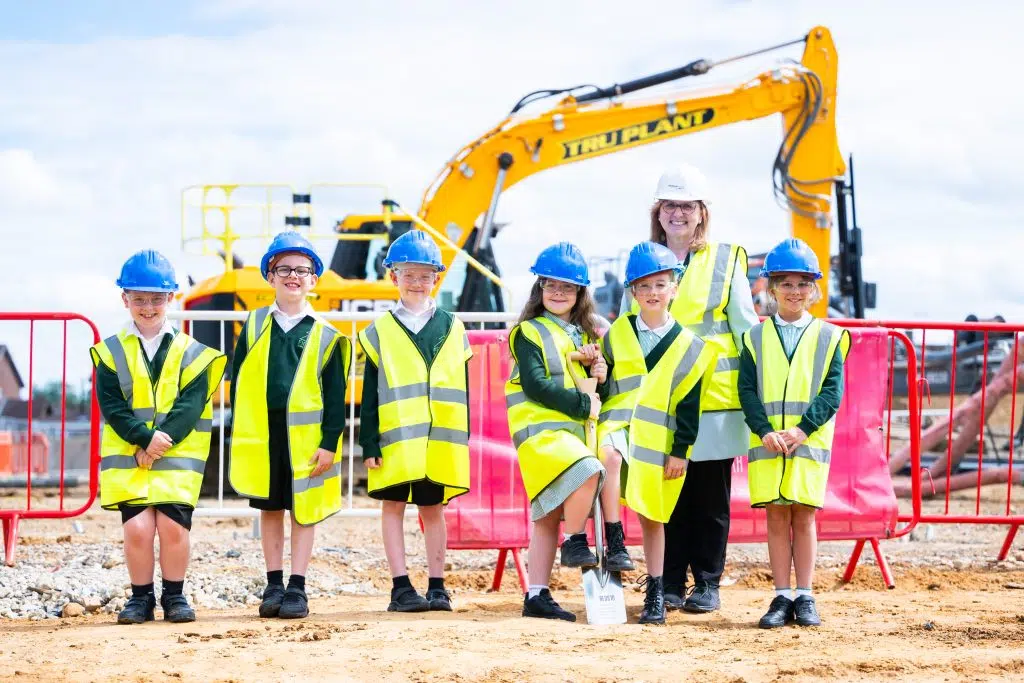
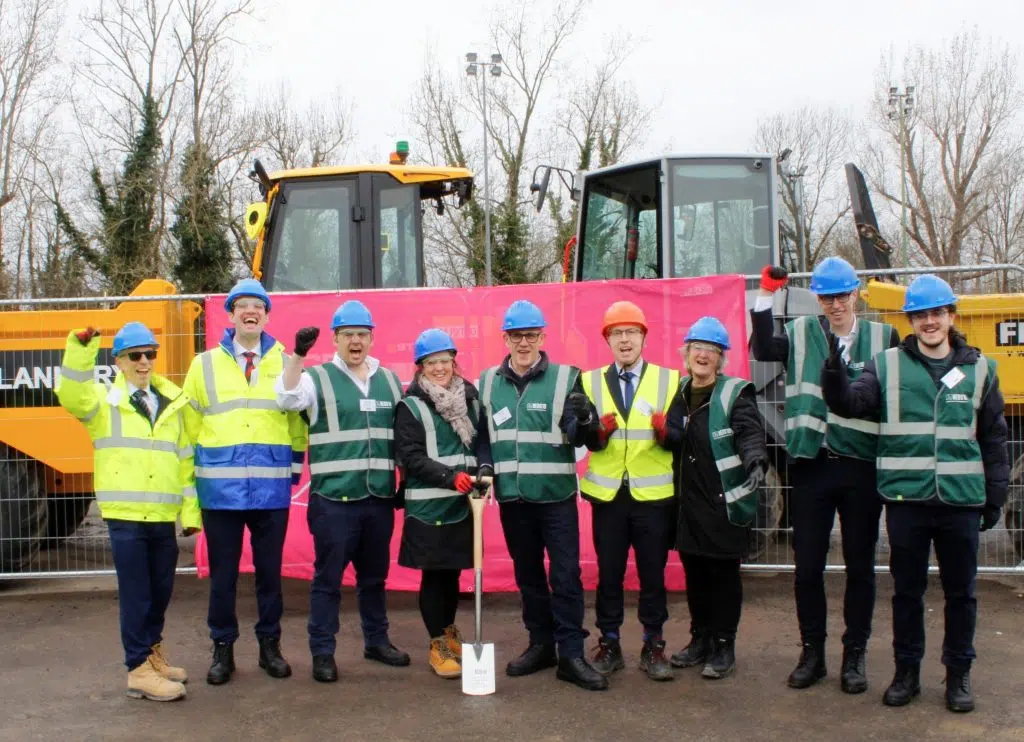
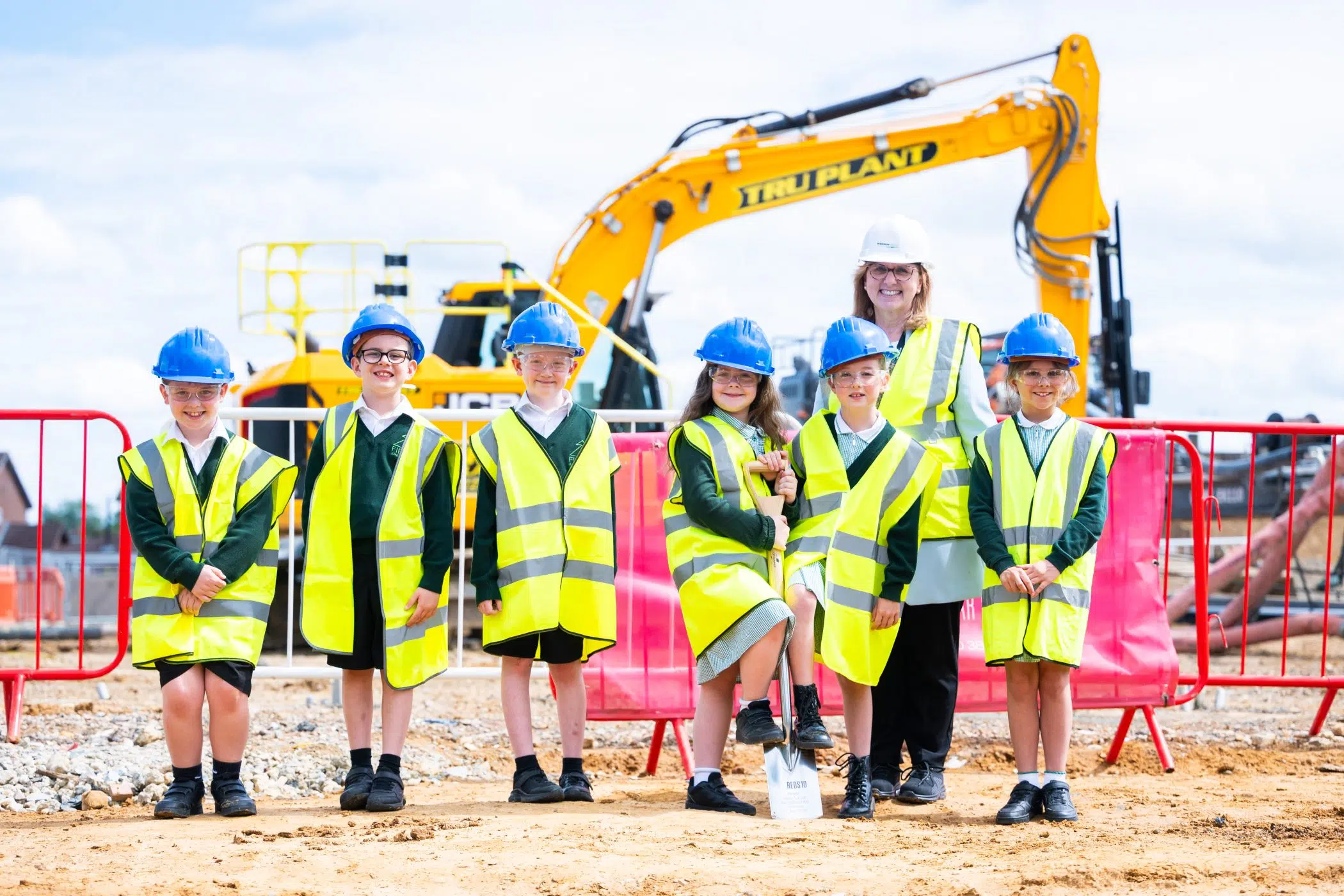
The start of construction was marked by a groundbreaking ceremony on 17 June 2026, which brought together representatives from the Department for Education, the school, Reds10 and the wider project team, and signalled the transition from design and manufacturing into on-site delivery.
Reds10 was appointed to deliver Firside Junior School through the DfE’s MMC1 framework, which aims to accelerate the delivery of education facilities through offsite manufacturing and standardised design approaches.
Work is progressing using advanced volumetric modular construction, with manufacturing of the building’s components having commenced at Reds10’s factory in June 2026, running in parallel with on-site works which began earlier in February 2026. This approach ensures high levels of quality and consistency, while reducing programme times and minimising disruption to the surrounding community.
The project will be delivered in phases, with modules installed on site in two stages before the school reaches completion and is handed over in February 2028.
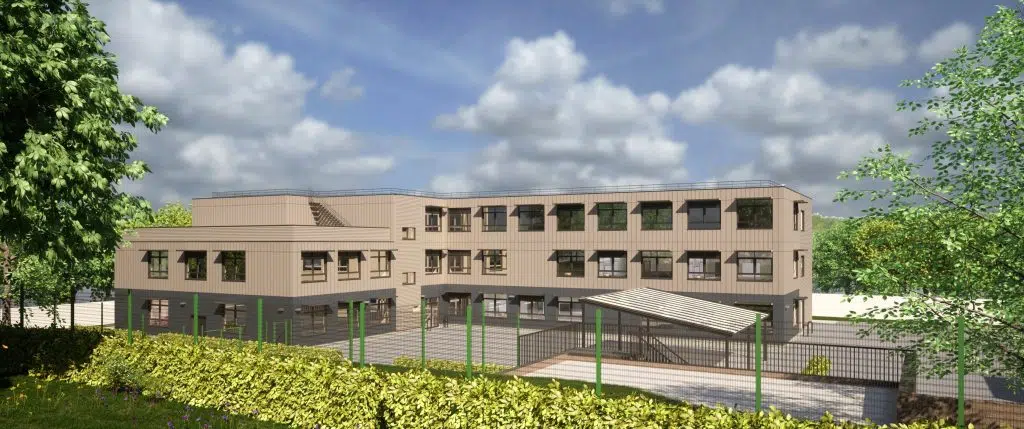
Designed by HLM Architects, the school will provide modern, flexible teaching spaces alongside supporting facilities designed to enhance the learning experience and support a dynamic, inclusive environment for pupils and staff.
Sustainability and building performance are central to the scheme, with the design developed in line with the Department for Education’s requirements for thermal comfort, air quality and daylight. A combination of passive and active measures – including solar shading, high-performance glazing and enhanced ventilation strategies – will help regulate internal temperatures and maintain a comfortable environment throughout the year.
The building is also targeting net zero carbon in operation, with energy modelling indicating low overall energy demand and the integration of roof-mounted solar panels to support on-site renewable generation.